


Your First Track Day: The Only Guide You Actually Need
Updated: Oct 11
Most first-time track day riders make the same mistake: they build the event into something bigger than it is. They read forums, watch videos, and still arrive feeling like everyone else has a secret rulebook. The truth is simpler. A track day is a structured, controlled place to learn your bike, your lines, and your confidence without traffic, gravel shoulders, or minivans cutting across your line.
This guide is built to take the mystery out of the day from the night before to the ride home. It covers what to bring, what actually happens at registration, how the rider meeting works, how sessions are organized, what the flags mean, and why the first session can feel like controlled chaos while the third one starts to click. It also covers the unwritten rules that matter more than lap times: leave ego in the parking lot, respect point-bys, and never make a corner a surprise.
The Night Before
The night before is about preparation, not perfection. Fuel the bike, check tire pressures, inspect brakes, bring water, and pack simple food you can actually eat. If you are towing, make sure straps, ramps, and tie-down points are sorted. If you are riding in, carry only what you need. The goal is to show up calm and ready, not overloaded with gear you may never touch. Need a full rundown? Check out the 619 Knee Draggrz Packing List for every item worth bringing — and every one worth leaving home.
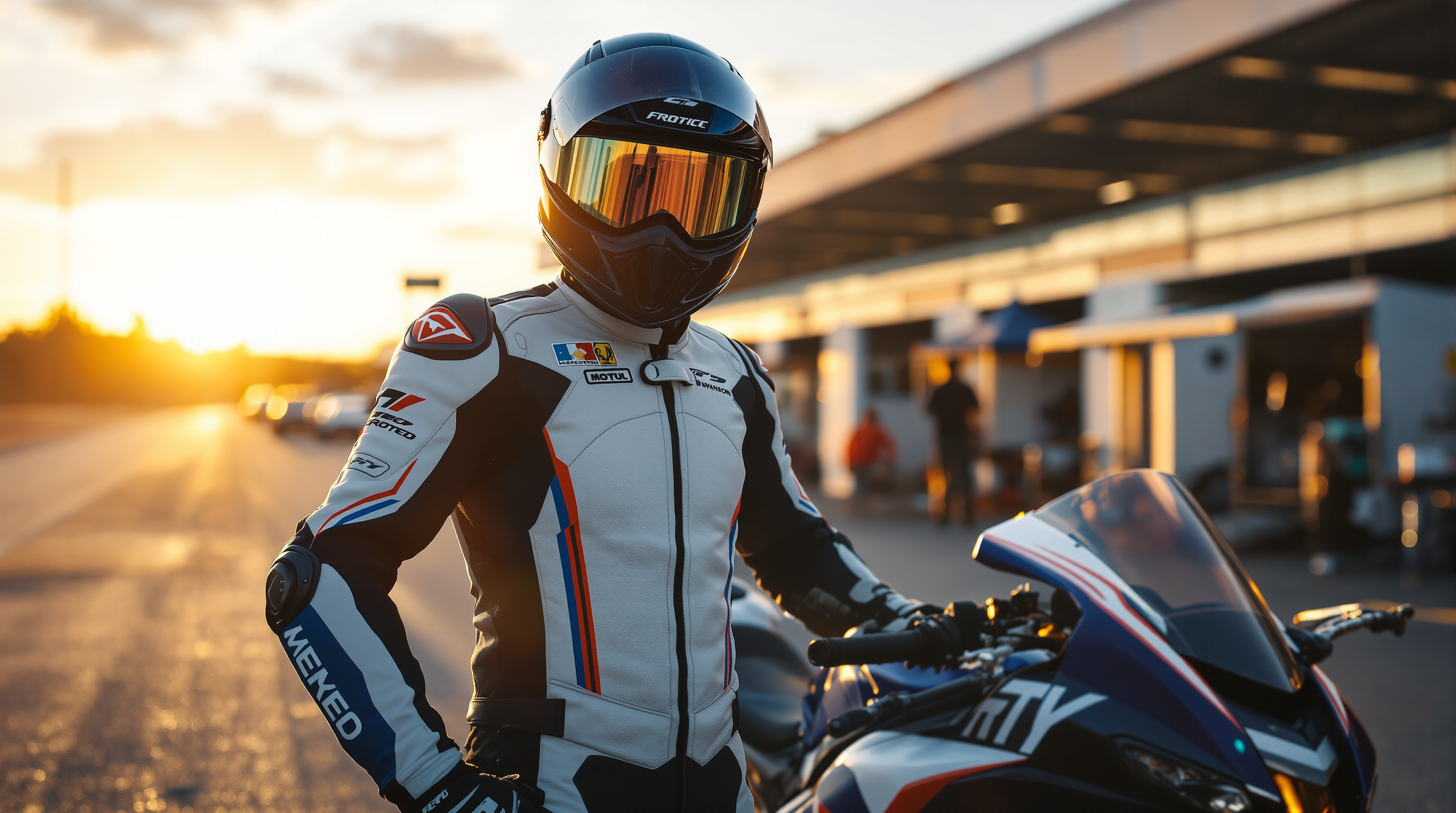
Required gear is straightforward: a proper full-face helmet, gloves, boots that cover the ankle, a one-piece or zip-together leather suit or approved riding gear, and back protection if your event requires it. Optional items are the things that make the day easier: a chair, snacks, a cooler, tape, zip ties, tire warmers if you use them, and a spare face shield. The best first-timer setup is safe, simple, and easy to manage.
Registration and the Riders' Meeting
Registration is usually quick. You check in, sign the waiver, get your wristband or group assignment, and confirm tech inspection if your event requires it. Then comes the riders' meeting, and this is where beginners should pay the closest attention. The organizers will explain the schedule, passing rules, flag meanings, pit lane procedures, and what to do if something goes wrong. None of this is filler. It is the operating system for the day.
If you remember one thing from the meeting, remember this: if you are unsure, slow down and signal clearly. Track day culture rewards predictability. Predictable riders are safe riders
How Sessions Work
Most events split riders by experience. Novices ride with other beginners, usually under a control rider or coach. Sessions are short enough to stay focused and long enough to learn something. The first session often feels busy because your brain is trying to process everything at once: surface grip, braking markers, turn-in points, traffic, and your own nerves. That is normal. By session three, the noise fades and the bike starts to feel familiar.
Do not chase speed. Chase repetition. Smooth throttle, calm vision, and clean lines matter far more than hanging on to faster riders. If you can ride one good lap, then repeat it, you are already learning.
Flags and Passing
Flags keep the track safe. Learn them before you go out. A yellow means caution. A red means stop. A black flag means you need to come in. A checkered flag ends the session. Passing rules vary by group, but beginners are often limited to point-by passing, which means the rider being passed signals where the overtake should happen. Never brake-check in a corner. Never dive in where no one expects you. Make your intentions obvious.
That is the unwritten rulebook: stay smooth, stay aware, and protect the rider behind and beside you by being easy to read.
I’m Not Fast Enough
Track days are not about being fast. They are about being safe, being repeatable, and learning your machine in a controlled environment where the only thing you are racing is your own hesitation.
That is the biggest barrier for most new riders. They think the track is reserved for experts. It is not. The whole point is to get better. If you show up respectful, equipped, and willing to learn, you belong there.
First-Timer Checklist
Helmet, gloves, boots, riding suit, water, snacks, ID, registration info, bike keys, tire gauge, tools, tape, chair, and a humble attitude. That is enough to have a solid day.
How 619 Helps
619Kneedraggrz knows the real barriers that keep riders from showing up ready. Coaching helps build confidence and clean technique before the first lap. Bike rentals solve the problem for riders who do not have a track-ready machine. Transportation helps riders who do not have a truck or trailer. VIP pit services remove the busywork so the rider can focus on riding, learning, and enjoying the day.
If you are thinking about your first track day, do not wait until you feel fearless. Show up prepared, listen well, ride smoothly, and let the day teach you something.


Comments