


How to Get Your Motorcycle to the Track (When You Don't Own a Trailer)
For most riders, the biggest obstacle to a first track day is not courage. It is logistics. The bike has to get there somehow, and that question can stop a rider cold before the planning even begins. The good news is that there are several ways to solve it, from simple DIY options to full-service transport that removes the burden entirely.
This guide breaks down every realistic way to move a motorcycle to the track when you do not own a trailer. It explains when riding the bike there is a bad idea, when renting or borrowing makes sense, how U-Haul and similar options fit in, what professional moto transport offers, and why a full-service provider like 619 changes the day before the day even starts. It also covers proper tie-down technique so riders who haul themselves do not learn the hard way.
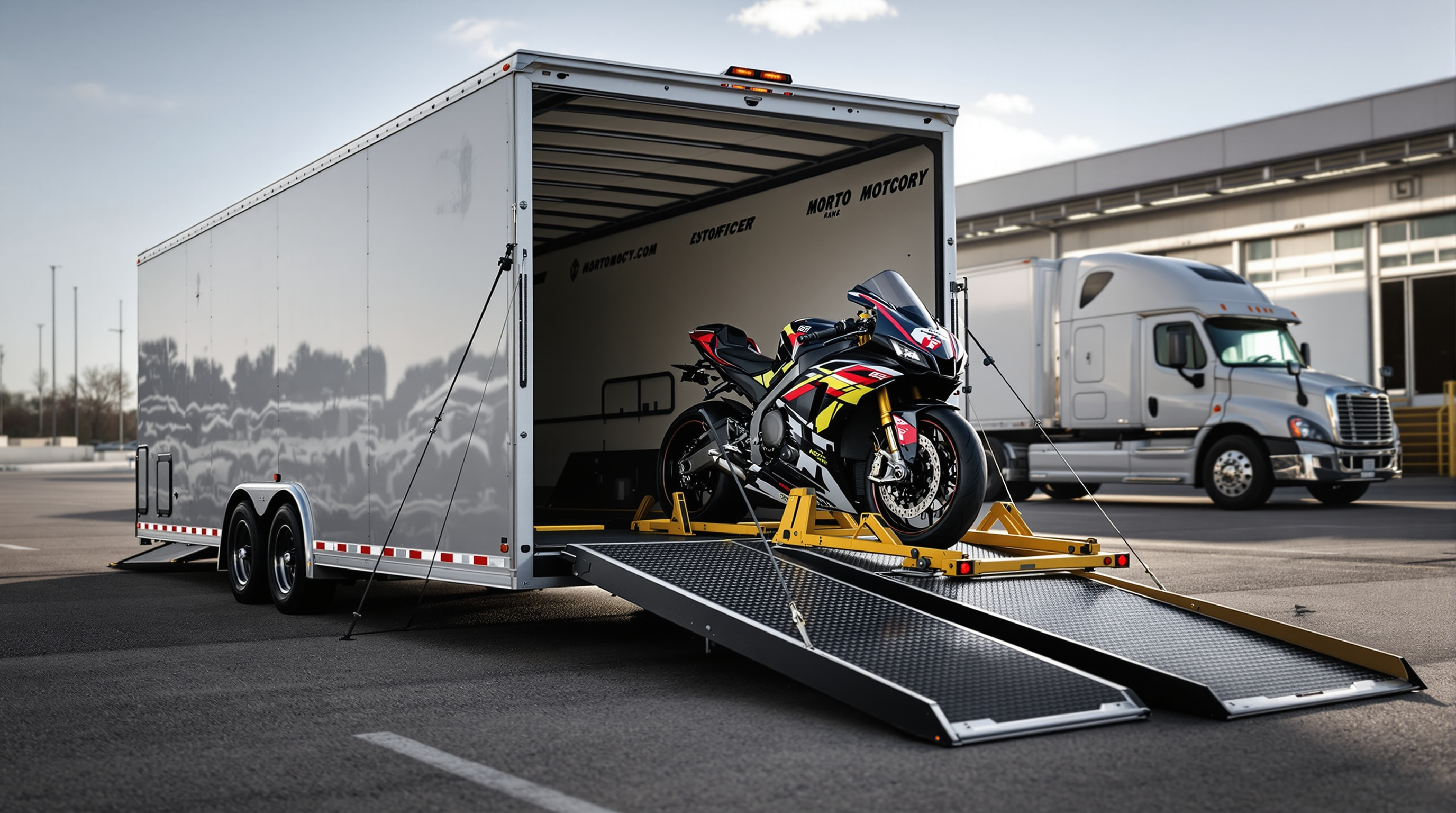
Riding to the Track
Riding the bike there sounds easy, but for most track days it is the wrong answer. You arrive tired, you burn time, you risk weather, and you still have to unpack and convert the bike from street mode to track mode on arrival. The only real exception is a very local event where the route is simple, the weather is perfect, and the bike is already configured for both street and track use.
Renting a Trailer
Trailer rental is a good middle ground if you already have a tow-capable vehicle and just need a way to move the bike. It is usually cheaper than full transport, but you still need the hitch, straps, ramp, and confidence to load the bike correctly. It is a reasonable solution for riders who want control and do not mind doing the work.
Borrowing a Truck
Borrowing a friend's truck can work if the truck is capable and you know how to secure the bike properly. The tradeoff is obvious: convenience on the front end, dependence on someone else on the back end. If the vehicle is not set up for towing or hauling, you are only moving the problem around.
U-Haul Motorcycle Trailers
U-Haul-style motorcycle trailers are often the first real hauling solution riders consider. They are usually accessible, practical, and designed for the job. The catch is that you still need to know your vehicle's towing capacity, and you still need proper straps and a tie-down plan. The trailer solves part of the problem, not all of it.
Professional Moto Transport
Professional transport is the cleanest solution when you want the bike handled correctly and you do not want to spend your own time wrestling with ramps and straps. The bike is moved by people who do it constantly, which reduces risk and stress. You pay more than DIY, but you get back time, energy, and peace of mind.
The best transport option is the one that gets the bike there without draining the rider before the first session.
How to Haul It Yourself the Right Way
Use a front wheel chock if you have one. Use four-point ratchet straps. Compress the suspension enough to stabilize the bike, but do not crush it. Never rely on bungee cords. Check that the bike cannot walk sideways, rock backward, or bounce loose on rough roads. The tie-down job is not finished until the bike looks boringly stable.
Can My Car or SUV Tow It?
This is the question that stops most sedan and SUV owners. The answer depends on hitch rating, vehicle tow capacity, trailer weight, bike weight, gear, and terrain. If you are near the limit, you are not in a comfortable zone. That is where many riders decide that professional transport is cheaper than making the wrong compromise.
Why 619 Transport Is Different
619Kneedraggrz runs a five-trailer fleet and handles the hauling so the rider arrives ready instead of worn out. The difference is simple: your bike shows up prepped, unloaded, and ready to go while you avoid the stress of the drive, the straps, and the first hour of recovery in the paddock. For riders who care about the day itself, that matters.
When logistics stop being your problem, the track day becomes what it should have been from the beginning: a day to ride, learn, and enjoy the machine.


Comments